- Markets
- Catalogue
- Services
- Tools & Resources
- Downloads
- About Indeco
- Newsroom
-
Nexans Insights
- Nexans Insights
-
Blog Posts
- Overview
- Growing demand for copper and its future
- Electromobility: the road to building an increasingly sustainable transport system
- Guide to Prevent Fires and Accidents at Home (only in Spanish)
- Ten technologies to electrify the future: Electrical and Fire Safety
- Big data & AI
- IoT
- Unveiling innovations transforming the industry
- Transforming buildings industry with 3D printing and modular construction
- The path to effective fire safety in buildings
- Powering the digital change
- Unleashing the power of DC buildings
- Sustainable buildings for a brighter future
- Industry 1, 2, 3, 4... and 5.0
- Nexans copper odyssey
- Limitations of aluminium as an electrical conductor in residential installations
- Find Distributors
- Search
- Contact us
- Compare
- Sign in
PEP Ecopassport
We provide transparency on the environmental impact of our cables to support more sustainable decisions.
What is PEP Ecopassport?
Environmental product declarations are designed to measure the impact that a certain product has on the environment according to the company's activity and purchasing decisions. PEP or (Environmental Product Profile) provides an environmental assessment of the cable, from the choice of raw materials, manufacturing, distribution, use and end of life. This methodology developed by the PEPecopassport® program is:
- A recognized methodology based on ISO 14040 standards that define the principles, framework, requirements and guidelines for best practices in life cycle assessment;
- product category rules in accordance with ISO 14025 and defined jointly with other manufacturers of electrical and electronic equipment.
In Peru we make the environmental impact of our cables visible through verified Product Environmental Profiles (PEPs), which assess their environmental performance across the different stages of their life cycle.
COVERED WITH PEP CERTIFICATION
WITH PEP CERTIFICATION
What does a cable life cycle assessment cover?
The assessment covers five main stages:
- Raw materials: extraction, processing and transportation of the materials required to produce the cable.
- Manufacturing: industrial processes that transform raw materials into finished products.
- Logistics and distribution: transportation and distribution from the manufacturing site to the installation location.
- Use: the period during which the cable performs its function within an installation or infrastructure.
- End of life: management of materials through reuse, recycling, recovery or final disposal.
What does contribute?
- Makes the environmental impact of products visible throughout their life cycle.
- Provides standardized and verified environmental information.
- Facilitates comparison and decision-making based on sustainability criteria.
- Helps integrate carbon-related criteria into infrastructure and construction projects.
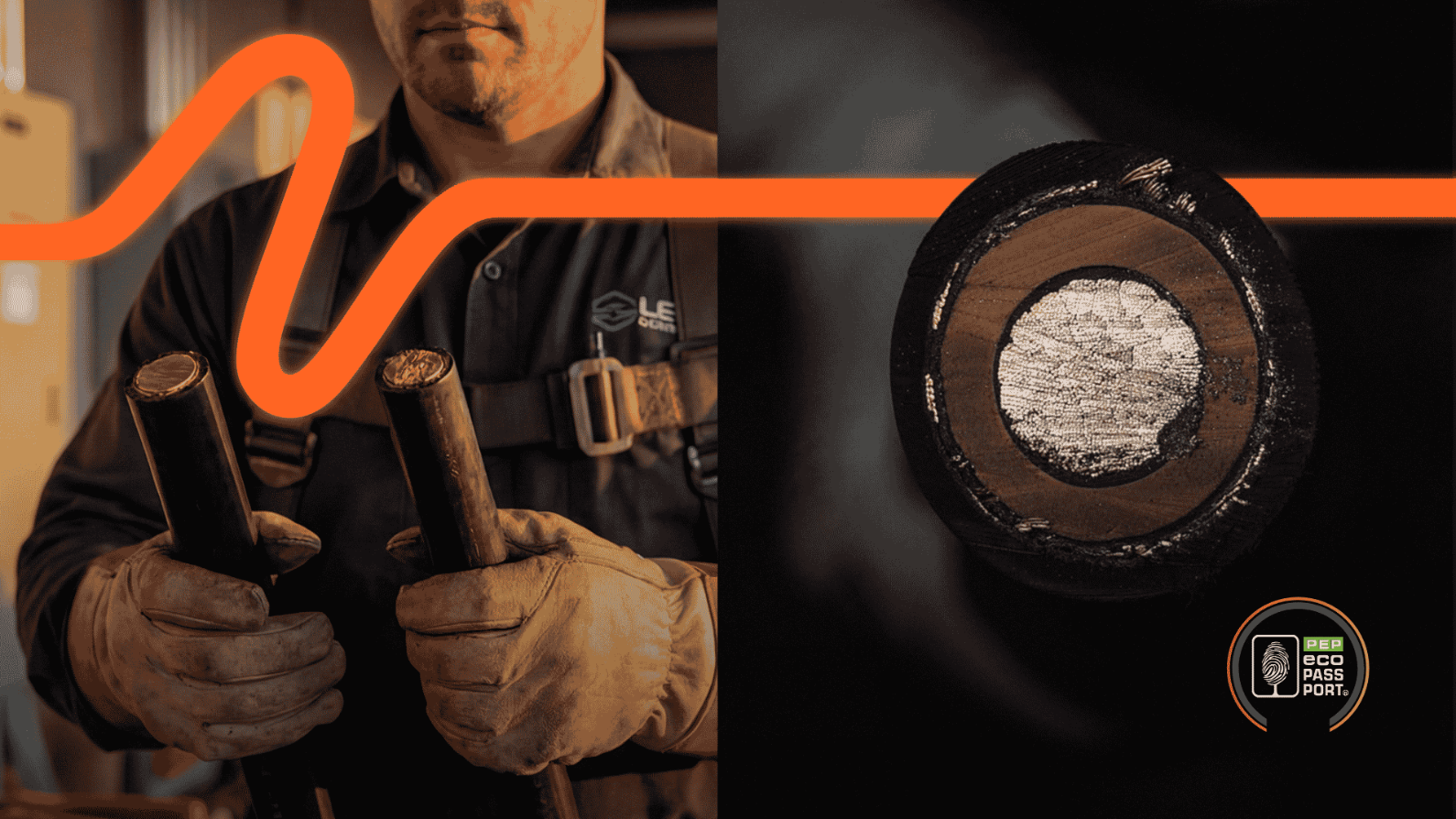
Nexans’ Low-Carbon Program uses life cycle assessments and verified PEP declarations to measure, make visible, and improve the environmental performance of its products. The program aims to provide reliable information that enables the comparison of solutions, the integration of carbon-related criteria into projects, and progress toward low-carbon electrification.
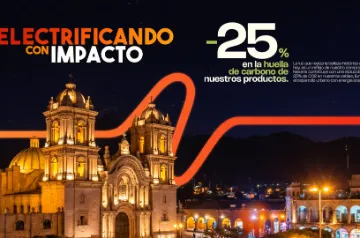
PEP Ecopassport is part of Electrifying with Impact, our sustainability vision in Peru. Discover how we are Electrifying with Impact.
The company of tomorrow must shift to a world where the economy, the environment, and employee engagement converge for the common good around a new performance model that combines all three elements in a systematic way. This is the goal of the E3 method that can be applied to many sectors, to many companies, as it is a universal way of thinking.
It's precisely this management model that motivates Nexans to venture into the management of PEP passports, as they are the tangible demonstration of our commitment to the environment and to the Group's goal of achieving net zero emissions by 2050.
Our websites
Select your country to find our products and solutions
-
Africa
- Africa
- Ghana
- Ivory Coast
- Morocco
- North West Africa
- Americas
- Asia
- Europe
- Oceania